What Do Termite Swarmers Look Like in Florida, and What Does It Mean When You See Them?

If you think you see Termite Swarmers in your home, don’t wait, Call a Professional Now (813) 851-4845
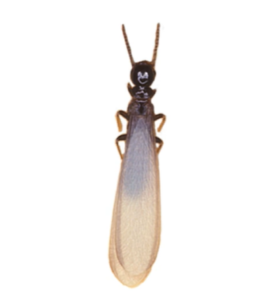
Termite swarmers (also called alates or winged reproductives) in Florida are the flying form of termites that emerge from mature colonies to mate and start new ones. Florida has a warm, humid climate that supports several termite species, including subterranean types (like Eastern, Asian, and Formosan subterranean termites) and drywood termites, which are the most common culprits for swarming sightings in homes.

What Termite Swarmers Look Like in Florida

Termite swarmers are often mistaken for flying ants, but key differences help identify them:

  • Body: Dark brown to black (sometimes tan or golden for species like Formosan), elongated and straight (no pinched waist).
  • Size: About 3/8 inch (around 1 cm) long including wings.
  • Antennae: Straight and beaded (not elbowed/bent like ants).
  • Wings: Two pairs of equal length and size (uniform), often translucent or slightly iridescent with visible veins; they extend well beyond the body. After mating, swarmers shed these wings, leaving them in piles near windows, doors, or lights.
  • Waist: Broad and uniform (no narrow “pinched” section like ants).
  • Behavior: They fly in swarms, often erratically around lights, windows, or doors, especially at dusk/dawn or after rain.

Different species vary slightly (e.g., Formosan swarmers may appear larger and tan/golden), but the overall look is consistent: dark, winged insects with straight features and equal wings.

What It Means When You See Them

Seeing termite swarmers—especially indoors or near your home—usually indicates a mature, established termite colony nearby (often 3–5+ years old and actively damaging wood). The swarmers themselves don’t cause structural damage (that’s the hidden worker termites), but their presence is a major red flag:

  • The colony has reached maturity and is reproducing/expanding.
  • A new infestation could start if swarmers successfully mate and settle (including potentially in your home’s wood).
  • In Florida’s year-round warm conditions, termites are active continuously, but swarming peaks in spring through summer (e.g., February–May for many subterranean types, March–August for drywood), often triggered by warm, humid weather or rain.

Finding discarded wings (small, translucent piles) or frass (tiny pellet droppings) nearby strengthens evidence of an active infestation.
Recommendation: Don’t ignore it—contact a professional pest control service for an inspection ASAP. Call (813) 851-4845. They can confirm the species, locate the colony, and recommend treatment (like baiting, barriers, or fumigation) to prevent costly damage. Early action is key, as termites cause billions in U.S. property damage annually, with Florida being a high-risk area.

Winter Pest Control Tips for Homeowners in Florida

In Florida, the “winter” doesn’t usually kill off pests; instead, the slight dip in temperature and the increase in rain often drive them indoors looking for warmth and food. Here are the most effective winter pest control tips tailored for Florida homeowners.
If you need professional Pest Control Services, Please call (813) 851-4845


1. Seal Your “Florida Weak Spots”

Florida homes have specific vulnerabilities that rodents (like palm rats) and roaches (palmetto bugs) love.

  • The Quarter-Inch Rule: Mice can fit through a hole the size of a pencil, and rats only need a space the size of a quarter. Use copper mesh or steel wool (not spray foam alone, as they chew through it) to seal gaps around AC lines and plumbing entry points.
  • Check the Soffits: Florida attics often have vents or loose soffits. Ensure these are screened with heavy-duty metal mesh to prevent rats and squirrels from nesting in your insulation.
  • Update Door Sweeps: If you can see light under your door, a roach can get in. Replace worn weatherstripping and install sturdy door sweeps.

2. Manage “Green Bridges” in Your Landscape

Winter is the best time to prune in Florida.

  • Trim the “Highways”: Keep tree branches at least 8–10 feet away from your roofline. Roof rats are excellent climbers and use trees as bridges to reach your attic.
  • The 18-Inch Buffer: Keep shrubs and mulch at least 18 inches away from your foundation. This creates a “dry zone” that makes it harder for subterranean termites and ants to enter unnoticed.
  • Firewood Storage: If you use a fireplace during a cold snap, store firewood at least 20 feet from the house and off the ground. Firewood is a prime nesting site for wood-destroying organisms.

3. Control Moisture (The #1 Florida Pest Magnet)

While winter is drier, the humidity inside your home can still attract pests like silverfish and cockroaches.

  • Clear the Gutters: Debris in gutters traps moisture against your fascia boards, attracting termites and providing a breeding ground for mosquitoes.
  • Fix “Slow” Leaks: Check under sinks and behind toilets. In winter, roaches and silverfish are more desperate for water and will gravitate toward even the smallest damp spot.
  • Dehumidify: If you have a crawlspace or a damp garage, try to keep the humidity below 50% to discourage moisture-loving insects.

4. Smart Winter Sanitation

  • Airtight Storage: Move holiday baking supplies (flour, sugar) and pet food into hard plastic or metal containers. Rodents can smell through cardboard and paper bags easily.
  • Inspect Holiday Decor: When bringing boxes down from the attic or garage, open them outside first. Spiders and silverfish often hitch a ride in Christmas trees or stored ornaments.
  • Clean the Grill: If you aren’t using your outdoor kitchen or grill as often, deep clean it. Leftover grease is a major winter buffet for raccoons and rats.

Winter Pest Watchlist

Pest Why they come in Signs to look for
Palm Rats Seeking warm nesting Scratching in attic, droppings in garage
German Roaches Seeking water/food “Coffee ground” specks in kitchen corners
Termites They are active year-round Mud tubes on foundation or hollow wood
Silverfish Seeking humidity Tiny holes in books, wallpaper, or silk

If you need professional Pest Control Services, Please call (813) 851-4845


Common Pest Control Issues in Tampa Bay Metro Area, Florida

The most common pest control issues in the Tampa Bay Metro Area, Florida

The warm, humid climate and proximity to water in the Tampa Bay Metro Area create ideal conditions for a variety of pests. Here are the most common pest control issues faced by residents in this region and tips for managing them effectively.

1. Termites

Tampa’s climate is highly conducive to termite activity, particularly subterranean and drywood termites. These pests cause significant structural damage to homes, often going unnoticed until costly repairs are needed. Regular inspections and treatments are critical due to their prevalence and destructive nature.

2. Cockroaches

Cockroaches, including large palmetto bugs (often mistaken for water bugs), thrive in Tampa’s warm, moist environment. They are a major issue during hot summer months, with infestations surging due to their ability to enter homes through cracks and crevices. German cockroaches are particularly problematic, reproducing rapidly and requiring intensive treatment.

3. Ants

Various ant species, including fire ants and carpenter ants, are common in Tampa Bay. Fire ants pose a threat due to their painful stings and prevalence in outdoor areas, while carpenter ants can cause structural damage by nesting in wood. Ants often invade homes in search of food, making them a persistent nuisance.

4. Mosquitoes

Tampa’s wetlands and humid conditions make it a breeding hotspot for mosquitoes, which are not only annoying but also carry diseases like West Nile virus. Their populations peak during warmer months, impacting outdoor activities and requiring targeted control measures like fogging or misting systems.

5. Rodents

Rats and mice are frequent invaders in Tampa homes and businesses, chewing through wires, insulation, and drywall while leaving droppings that pose health risks. Their presence is exacerbated by the region’s urban and suburban environments, necessitating exclusion and trapping services.

6. Bed Bugs

Bed bug infestations are a growing concern in Tampa, particularly in residential settings like homes, apartments, and condominiums. They cause itchy bites and are challenging to eliminate without professional intervention, often requiring targeted treatments for eggs, larvae, and adults.

7. Spiders

Spiders are common in Tampa due to the warm climate and abundant prey. While most are harmless, some species can be a nuisance or pose minor health risks. Preventive measures like sealing cracks and reducing outdoor lighting are often recommended.

8. Fleas and Ticks

These pests are a concern for pet owners and can thrive in Tampa’s warm weather. Fleas and ticks pose health risks to both pets and humans, often requiring treatment of both indoor and outdoor areas.

9. Silverfish

These small, quick pests are frequently found in bathrooms and other moist areas of Tampa homes. While not dangerous, they can be a nuisance and are often addressed through general pest control services.

10. Wasps and Bees

Stinging insects like wasps, hornets, and bees are common in Tampa, with nests often found near homes. Their presence can be dangerous, particularly for those with allergies, and professional removal is recommended to avoid risks.

Conclusion

These pests are driven by Tampa’s tropical climate, which provides warmth, moisture, and abundant food sources year-round. Homeowners often face health risks (e.g., disease transmission from mosquitoes or cockroaches), property damage (e.g., from termites or rodents), and general discomfort from infestations. Regular inspections, sealing entry points, and professional pest control services are commonly recommended to manage these issues effectively.

Florida Carpenter Ants, What You Need to Know

Call (813) 303-9690 today for carpenter ant treatments in Florida.

Florida carpenter ants, primarily Camponotus floridanus and Camponotus tortuganus, are among the largest ant species in Florida, measuring 5.5–20 mm in length. They are bicolored with a reddish-brown head and thorax and a black abdomen, sporting long, golden hairs and 12-segmented elbowed antennae. Unlike termites, they don’t eat wood but excavate it to nest in moist, decaying wood, existing voids, or soft materials like rotten wood or Styrofoam. They’re commonly found in trees, stumps, attics, wall voids, and other damp areas, especially in urban settings across Florida, extending to North Carolina, Mississippi, and Louisiana. C. tortuganus is more restricted to central and southern Florida.

These ants are nocturnal, foraging at night for sweets, honeydew, insects, and household foods. They don’t sting but can bite, sometimes spraying formic acid into the wound, causing mild irritation. Their colonies, which can grow to over 8,000 workers, include a main nest (often outdoors) and satellite nests. During mating season (April–November), winged alates swarm, often mistaken for termites due to their size and wings, though their pinched waist and bent antennae distinguish them.

Unlike the wood-damaging black carpenter ant (Camponotus pennsylvanicus), found in Florida’s Panhandle, Florida carpenter ants don’t typically harm sound structural wood, so concerns about major home damage are often overstated. However, they can signal moisture issues, as they prefer damp environments. Signs of infestation include sawdust-like frass, rustling noises in walls, or winged ants indoors.

Control and Prevention

  • Locate nests: Follow ant trails or look for frass to find nests, often in moist wood or voids.
  • Baits: Liquid or gel baits (e.g., Terro Liquid Ant Bait or Advion Ant Gel) are effective, as ants carry poison back to the colony. Granular baits like Advance Carpenter Ant Granular Bait can be used outdoors.
  • Eliminate moisture: Fix leaks, improve ventilation, and repair water-damaged wood.
  • Seal entry points: Caulk cracks around windows, doors, and utility lines.
  • Remove attractants: Clear food debris, trim vegetation touching structures, and store firewood away from homes.
  • Professional help: For persistent infestations, pest control services can locate and treat nests directly.

Interestingly, Florida carpenter ants exhibit unique behaviors, like amputating injured nestmates’ legs to prevent infections, boosting survival rates.

For severe infestations, contact a pest control professional (813) 303-9690 to assess and treat the problem effectively.

Areas in Florida with the Most Household Mold Problems

Call (877) 384-8656 If you need professional Mold Remediation Services in Florida.

Areas in Florida with the Most Problems with Household Mold

Florida’s humid, subtropical climate makes it a hotspot for household mold, particularly in areas with high moisture, frequent rainfall, and poor ventilation. While mold can be an issue statewide, certain regions and conditions amplify the problem.

Here’s a breakdown of the areas in Florida with the most household mold problems, based on available data and environmental factors:

1. Coastal and Southern Regions (e.g., Miami, Fort Lauderdale, Sarasota, Cape Coral, Tampa)

  • Why: These areas experience high humidity (often exceeding 70%), frequent rainfall, and warm temperatures year-round, creating ideal conditions for mold growth. Coastal cities are particularly vulnerable due to proximity to water, which increases moisture levels in homes. Miami and Fort Lauderdale, for instance, are noted for their humid climates and frequent storms, which can lead to water damage and mold.
  • Specific Cities:
    • Miami: High humidity and frequent tropical storms contribute to mold issues, especially in poorly ventilated homes or those with prior water damage. Miami ranks high in mold-related problems due to its southern location and consistent moisture.
    • Sarasota and Cape Coral: These cities are listed in the 2023 Allergy Capitals report as having severe mold and allergy seasons, driven by high humidity and rainfall.
    • Tampa: Coastal location and reliance on air conditioning systems (which can harbor mold if not properly maintained) make Tampa susceptible. Flooding from hurricanes or thunderstorms exacerbates the issue.
    • Fort Lauderdale: Similar to Miami, this area faces high humidity and frequent water exposure, leading to mold in homes, particularly in HVAC systems and bathrooms.
  • Common Issues: Homes in these areas often deal with mold in air conditioning units, bathrooms, and areas affected by leaks or flooding.

2. Central Florida (e.g., Orlando, Lakeland, Palm Bay)

  • Why: Central Florida has high humidity and experiences heavy rainfall, especially during the rainy season (June to October). These conditions, combined with older homes or poorly maintained properties, increase mold risk. Orlando and Lakeland are noted for severe allergy seasons linked to mold.
  • Specific Challenges:
    • Orlando: High humidity and frequent storms contribute to mold growth in homes, particularly in basements, crawl spaces, and HVAC systems.
    • Lakeland and Palm Bay: These areas face similar issues with moisture accumulation in homes, especially in poorly ventilated spaces like laundry rooms and bathrooms.
  • Common Issues: Mold is often found in hidden areas like behind walls, in attics, or under carpeting, especially after water damage from storms.

3. Southwest Florida (e.g., Fort Myers, Naples)

  • Why: Southwest Florida’s warm, humid climate, with humidity levels often reaching 80% in summer, creates a breeding ground for mold. Fort Myers, in particular, is noted for toxic molds like Stachybotrys (black mold) in areas with prolonged moisture, such as kitchens and bathrooms.
  • Specific Issues: Homes with water damage from leaks or flooding, common in this region due to hurricanes, are at high risk. Mold often grows in HVAC ducts, crawl spaces, and on porous materials like wood and drywall.

4. Areas with Older Homes or Poor Maintenance

  • Why: Older homes, especially those built before modern moisture-resistant materials were common, are more prone to mold due to outdated plumbing, poor insulation, or unaddressed leaks. Areas with a higher concentration of older homes, such as parts of Miami, Tampa, or rural communities, face increased risk.
  • Common Issues: Mold in these homes often appears in hidden areas like behind walls, in attics, or under flooring, where water damage goes unnoticed.

5. High-Risk Indoor Locations Statewide

Regardless of region, certain areas within Florida homes are particularly prone to mold:

  • Bathrooms: Poor ventilation, frequent moisture from showers, and grout lines create ideal mold conditions.
  • Kitchens and Laundry Rooms: Spills, leaks, and high humidity from appliances like dishwashers or washing machines promote mold growth.
  • HVAC Systems: Air conditioning units and ducts can harbor mold if not properly maintained, especially in humid climates.
  • Basements and Crawl Spaces: These areas often have poor ventilation and are susceptible to water seepage, making them mold hotspots.
  • Carpeting and Upholstery: Porous materials like carpets and fabrics trap moisture, fostering mold growth.

Why Florida Has Widespread Mold Issues

  • Climate: Florida’s high humidity (often 70-80%), frequent rainfall (averaging 54.6 inches annually), and warm temperatures (average 73°F) create optimal conditions for mold.
  • Water Damage: Hurricanes, tropical storms, and flooding are common, leading to water intrusion in homes. Mold can begin growing within 24-48 hours of water exposure if not addressed.
  • Poor Ventilation: Many homes rely on air conditioning, but improperly maintained systems or inadequate ventilation can trap moisture, encouraging mold.

Prevention Tips for Florida Homeowners

  • Control Humidity: Keep indoor humidity below 60% (ideally below 50%) using dehumidifiers and air conditioners.
  • Fix Leaks Promptly: Address roof, plumbing, or wall leaks immediately to prevent moisture buildup.
  • Improve Ventilation: Use exhaust fans in bathrooms and kitchens, and ensure dryers vent outside.
  • Regular Inspections: Check high-risk areas like bathrooms, basements, and HVAC systems for mold signs (discoloration, musty odors).
  • Professional Help: For mold covering more than 10 square feet or in cases of severe water damage, hire professionals for remediation.

Conclusion

The areas in Florida with the most household mold problems are primarily coastal and southern cities like Miami, Fort Lauderdale, Sarasota, Cape Coral, and Tampa, as well as Central Florida cities like Orlando and Lakeland, due to high humidity, frequent rainfall, and storm-related water damage. Southwest Florida, including Fort Myers, also faces significant issues due to its humid climate. However, mold can be a problem anywhere in Florida if moisture isn’t controlled. Regular inspections, prompt leak repairs, and humidity management are critical to preventing mold growth. For specific concerns, consider consulting a professional mold inspector, especially in high-risk areas.

Call (877) 384-8656 If you need professional Mold Inspection, Mold Clean Up and Remediation Services in Florida.

Is Ticks and Mosquitoes Spraying Effective in Florida in June?

Call (813) 303-9690 If you need professional Tick and Mosquito Control Services in Florida.

Spraying for ticks and mosquitoes in Florida in late June can be effective but comes with considerations. Here’s a breakdown:

Effectiveness of Spraying in Late June

Mosquitoes

June is peak mosquito season in Florida due to warm temperatures (80–95°F) and high humidity, which create ideal breeding conditions, especially after rainfall. Spraying can reduce adult mosquito populations, particularly if timed at dawn or dusk when mosquitoes are most active. However, sprays like ultra-low volume (ULV) adulticides (e.g., Naled or permethrin) are only effective for 24 hours or less, and mosquitoes can reinvade from untreated areas. Larviciding (treating standing water) is more preventive and effective long-term, as it targets larvae before they mature.

Ticks

Ticks, like the blacklegged or lone star tick, are active in Florida year-round but peak in spring and early summer. Spraying is less effective for ticks in open lawns, as they thrive in shady, moist areas like leaf litter, woods, or tall grass. Targeted spraying along property edges or wooded areas can help, but broad lawn treatments are often inefficient and harmful to non-target species.

Why Spraying May or May Not Be Good Now

Pros

  • Public Health: Reducing mosquito populations lowers the risk of diseases like West Nile, dengue, or Zika, which have been reported in Florida recently. Ticks can transmit Lyme disease or ehrlichiosis, so targeted control protects humans and pets.
  • Comfort: Spraying can make outdoor spaces more usable during peak mosquito activity.
  • Professional Application: Local mosquito control districts (e.g., Florida Keys or Miami-Dade) use EPA-approved chemicals like Naled, which are deemed safe when applied correctly, and often combine aerial or truck-based spraying with larviciding for broader control.

Cons

  • Short-Term Impact: Adulticide sprays don’t prevent reinfestation, requiring repeated applications every 4–6 weeks, which can get costly and increase resistance. Florida’s 2016 Zika response showed mosquitoes developing resistance to pyrethroids, reducing spray effectiveness.
  • Environmental Harm: Pyrethroids and organophosphates (e.g., Naled) can kill beneficial insects like bees, butterflies, and decomposers, disrupting ecosystems. Daytime spraying, common for ticks, harms pollinators most.
  • Limited Tick Control: Ticks avoid open, sunny areas, so spraying lawns is often wasteful. Experts recommend focusing on habitat management (e.g., clearing leaf litter) over chemical sprays.
  • Resistance Risk: Overuse of chemicals breeds insecticide-resistant pests, as seen in Florida’s Zika outbreak, making future control harder.

Alternatives and Recommendations

  • Prevention: Eliminate standing water (e.g., in gutters, pots, or tires) to stop mosquito breeding. Keep lawns mowed and remove leaf litter to reduce tick habitats.
  • Repellents: Use EPA-registered repellents (DEET, picaridin, or permethrin-treated clothing) for personal protection.
  • Biological Control: Introduce mosquito-eating fish (e.g., minnows) in ponds or use BTI larvicide briquettes for up to 180 days of control.
  • Professional Services: If spraying, hire licensed pest control companies or contact local mosquito control districts, which may offer free or low-cost services. Ask about their methods to protect non-target species.
  • Integrated Approaches: Florida’s mosquito control programs, like in Seminole County, combine spraying with larviciding and monitoring traps to target outbreaks scientifically, which is more effective than spraying alone.

Conclusion

Spraying for mosquitoes in Florida in late June can provide short-term relief, especially in high-risk areas, but it’s less effective for ticks and has environmental drawbacks. It’s best used as part of an integrated strategy, including larviciding, habitat management, and personal protection. Contact your local mosquito control district (e.g., via floridahealth.gov or fdacs.gov) for tailored advice or services, as they monitor local pest activity and disease risks. Always weigh the ecological impact and explore non-chemical options first.

What kind of pest do exterminators deal with the most in June?

Call (813) 303-9690 today if you need help with any of these issues

In June, exterminators most commonly deal with ants, June bugs (June beetles), wasps, mosquitoes, and fleas.

Here’s a breakdown based on seasonal pest activity:

Ants: As colonies expand rapidly in warmer weather, ants frequently invade homes and kitchens searching for food. June is a peak time for ant infestations, with trails often spotted near windows, walls, or food sources.

June Bugs (June Beetles): These scarab beetles, including species like Phyllophaga and Cyclocephala, are prevalent in June, hence their name. Their larvae (white grubs) cause significant lawn damage by feeding on grass roots, while adults eat foliage and are attracted to lights.

Wasps: Wasp activity increases in June as nests grow. Workers feed on rotting fruit, making them more aggressive, and nests can cause property damage. Exterminators often treat nests with residual insecticides.

Mosquitoes: With warmer temperatures and summer showers, mosquito populations explode in June, especially in areas with stagnant water. They pose health risks by carrying diseases.

Fleas: Fleas become more active in summer, often brought into homes by pets interacting with wildlife. Bites are common, especially on lower legs, and infestations can escalate quickly.

These pests thrive in June due to favorable warm and humid conditions, increased food availability, and breeding cycles. Regular pest control treatments are recommended to manage these seasonal surges. Call (813) 303-9690 today!

Quick Florida Grass Type Guide

1. St. Augustinegrass

  • Appearance: Thick, coarse texture, dark green color
  • Sun/Shade: Thrives in sun, tolerates some shade
  • Mowing Height: 3.5–4 inches
  • Pros:
    • Very popular in Florida
    • Tolerates heat and humidity well
  • Cons:
    • Susceptible to chinch bugs and fungal diseases
    • Needs regular watering and fertilizing

2. Bahiagrass

  • Appearance: Light green, coarse texture, open canopy
  • Sun/Shade: Needs full sun
  • Mowing Height: 3–4 inches
  • Pros:
    • Drought-tolerant
    • Low maintenance
  • Cons:
    • Not very dense; may allow weeds
    • Doesn’t tolerate shade or high foot traffic well

3. Bermudagrass

  • Appearance: Fine texture, deep green, dense
  • Sun/Shade: Requires full sun
  • Mowing Height: 1–2 inches
  • Pros:
    • Excellent wear tolerance
    • Fast-growing and resilient
  • Cons:
    • High maintenance (frequent mowing, fertilizing)
    • Not shade-tolerant

4. Zoysiagrass

  • Appearance: Fine to medium texture, lush and dense
  • Sun/Shade: Tolerates moderate shade
  • Mowing Height: 1.5–2.5 inches
  • Pros:
    • Good drought and wear tolerance
    • Attractive lawn appearance
  • Cons:
    • Slow to establish
    • May require dethatching

5. Centipedegrass

  • Appearance: Light green, coarse texture
  • Sun/Shade: Prefers full sun, some varieties tolerate light shade
  • Mowing Height: 1.5–2 inches
  • Pros:
    • Low maintenance
    • Tolerant of acidic soils
  • Cons:
    • Not very drought-tolerant
    • Doesn’t handle heavy traffic well

How Often Should You Mow Your Lawn in Florida?

In Florida, it’s generally best to cut your grass every week during the growing season, which is typically spring through early fall. Here’s why:

Weekly Mowing is Usually Better in Florida:

  • Rapid Growth: Warm-season grasses like St. Augustine, Bahia, and Bermuda grow quickly in Florida’s warm, humid climate.
  • Healthier Lawn: Cutting frequently keeps the lawn dense and healthy, reducing weed growth and disease risk.
  • Grass Type Needs: Most Florida grasses should only have about 1/3 of the blade removed at a time to avoid stressing the lawn — weekly mowing helps maintain that.

When Every Other Week Might Be Okay:

  • Dormant Season: In winter or during drought, when growth slows significantly, mowing every other week (or less) can be fine.
  • Low-Input Lawns: If you’re intentionally growing a lower-maintenance or eco-friendly lawn, every-other-week mowing might align with your goals.

Pro Tip:

Keep your mower blades sharp and adjust cutting height based on your grass type:

  • St. Augustine: 3.5–4 inches
  • Bahia: 3–4 inches
  • Bermuda: 1–2 inches

Would you like to see a quick grass type guide for Florida lawns?